Pages

Showing posts with label environment. Show all posts

Universal microbiome decline

June 2022


" ... there is a microbial component inherent to all known systems on Earth with cumulative evidence supporting that niche-adapted microbial communities ('microbiomes') play unequivocally important roles in total ecosystem functioning

... Emerging ideologies such as "Planetary Health" and "OneHealth" emphasize these fundamental roles of microbial metabolic processes in supporting macroscopic reality at the systems-level, and further suggest that microorganisms should be viewed as unified constituents rather than as separate entities, as they have been historically regarded."

(Daisley et al.)
How likely is it that glyphosate, an agricultural product with the capacity to kill all green plants, except those genetically modified to resist it, will have no adverse effects on the health of other living things?

Because glyphosate disrupts a vital enzyme present in all plants, but entirely absent from animals, it has always claimed a reputation for safety. Indeed, the herbicide appears to have no acute toxic effects on animals (including humans). However, many kinds of micro-organism do have the enzyme targeted by glyphosate, and it is certainly harmful to them. By extension, the individual 'microbiomes' - the functional communities of diverse microbes which live around, on and inside all animals and plants - will be altered by this herbicide: the inevitable adverse health effects of this have never been considered.

We have only recently become aware of the functional interdependence between an organism and its microbiome. Micro-organisms play a key role in making nutrients available, in excluding pathogens, and in the immune systems of all higher forms of life.

Our crops need the support of a healthy microbiome in a healthy soil for their own health. In many GM and non-GM fields, the soil is subject to glyphosate from multiple sources, such as, spraying, GM root exudates, treated plant debris, and in some soils the release of accumulated mineral-bound herbicide residues.

Unaccountably, regulators seem to ignore the fact that fungi are plants and are a vital sector of the soil microbiome. The anti-fungal effects of glyphosate lead to long-term stunting of plant growth and a gradual reduction of crop yields.

Many plants also depend on visits from healthy insect pollinators. Insects with a glyphosate-damaged gut microbiome don't do much foraging, or help much with our food supply.

Since 2000, feed rations of UK farm animals, particularly poultry and dairy cattle, have included significant quantities of GM maize and soya, both likely to be laced with glyphosate which will damage to our livestock's gut microbiome and health. Indeed, the herbicide has been detected in the urine of up to 96% of farm animals.

Shockingly, animals have been exposed to glyphosate and other microbe-killing chemicals for so long that we no longer have access to any baseline healthy microbiomes with which to compare and investigate the extent of the damage. It's possible that there's already been a mass-extinction of the microbes essential to health.

Indirectly, humans are on the receiving end of all the glyphosate-induced disruption to the health of our plant- and animal-based foods.

Modern industrial-age populations have undergone a systematic depletion of their essential microflora due to the use of antibiotics and disinfectants. Pesticides in our food and water are just another nail in the microbiome coffin.

Glyphosate and its derivative, AMPA, were found frequently in the urine of dogs and cats too, reflecting the GM components in pet food brands. How healthy are our pets?

Regulators have defined an 'acceptable daily intake' (ADI) which is the amount of glyphosate judged safe to ingest on a daily basis over a lifetime. The ADI is one hundredth of the largest dose at which no adverse effect has been observed (i.e. the 'no observed adverse effect level' or NOAEL). Perplexingly, the US 'no adverse effect level' is three and a half times that in Europe.

The amount of glyphosate residues legally allowed by US regulators in food has increased dramatically over the years. These approved increases seem to be in response to commercial farming demands rather than any science-based safety considerations.

A recent study on rats fed three regulatory-relevant doses of glyphosate (the ADI, the EU NOAEL, and the US NOAEL) and using up-to-date analytical methods ('omics'), found alterations in the gut microbiome at all levels of the herbicide tested.

Glyphosate is not, of course, the only suspect but, with its use boosted by the widespread growing of herbicide-tolerant GM crops, is the most frequently applied agrichemical in the world. Much the same issues arise for all the other GM-linked weed-killers now emerging on the market [1,2,3].

Canadian scientists, Daisley et al., who have carried out a detailed analysis of the "Deteriorating microbiomes in agriculture" due to the "unintended effects of pesticides on microbial life", conclude there is a pressing need to reassess the use of agrichemcials "through the lens of microbial ecology and the ... effects on host (animal and plant) physiology". This reassessment should include the updating of the legislative framework and long-term studies to reveal subtle, accumulative consequences.


OUR COMMENT

To protect your long-term health , you might like to draw your regulators' attention to the call for legislative improvement to include all levels of microbiome damage.

If you're interested in knowing more about the effects of glyphosate on people, check out MICROBES ON THE GLYPHOSATE CHOPPING BLOCK - May 2022 (coming up next).


Background

[1] DICAMBA - WORSE THAN GLYPHOSATE - October 2021
[2] ISOXAFLUTOLE - THE NEXT HERBICIDE HEADACHE? - October 2021
[3] 2,4-D ON THE MENU TOO - October 2021

SOURCES:

  • Brendan A. Daisley, et al., 2021, Deteriorating microbiomes in agriculture - the unintended effects of pesticides on microbial life, Microbiome Research Reports
  • Patrick Holden, Are glyphosate-based herbicides poisoning us and the environment? Sustainable Food Trust, 5.02.21
  • Robin Mesnage, et al., January 2021, Use of Shotgun Metagenomics and Metabolomics to Evaluate the Impact of Glyphosate or Roundup MON 52276 on the Gut Microbiota and Serum Metabolome of Sprague-Dawley Rats, Environmental Health Perspectives
  • Carey Gillam, New glyphosate papers point to "urgency" for more research on chemical impact to human health, USRTK, 23.11.20
  • A. H. C. van Bruggen, et al., October 2021, Indirect Effects of the Herbicide Glyphosate on Plant, Animal and Human Health Through its Effects on Microbial Communities, Frontiers in Environmental Science
  • Glyphosate and Roundup disturb gut microbiome and blood biochemistry at doses that regulators claim to be safe, GM Watch 27.01.21
  • Don M. Huber, AG chemical and crop nutrient interactions - current update, Fluid Fertilizer Foundation Proceedings Fluid Fertilizer Forum, Scottsdale, February 2010
Photo Creative Commons

Super toxic Bt cowpeas

May 2022


In 1990, Monsanto scientists published their latest discovery about the new 'Bt' insecticides generated by GM crops which were soon to become every farmers 'must-have'.

Their exciting finding, with an "immediate commercial implication" was that the insecticidal power of Bt could be increased many fold if its degradation was prevented by the plant itself. Many plants produce substances which prevent the breakdown of proteins, such as the Bt toxin, possibly to keep herbivores at bay by interfering with their digestion. The authors suggested this would confer "significant and long-term implications and benefits" on Monsanto's "genetically improved" Bt-generating plants.

Safety assessment of the new Bt crops was based on two strands of evidence.

Self spreading viruses

April 2022

Is there any such thing as a non-self-spreading virus? Or, to re-phrase the question using some of the alternative, interchangeable, technical terms which pop up: is there any such thing as a non-transmissible, non-self-disseminating, non-contagious, non-horizontally-transferable virus?

The answer is no. Viruses only exist by hijacking living cells and forcing them to churn out viral particles. Viruses wouldn't exist if they weren't self-spreading, transmissible, self-disseminating, contagious, horizontally transferable (and uncontrollable).

So, what are we talking about?

Gene escape is seriously bad news

March 2022


In 2005 the scientific view was that "... the movement of transgenes beyond their intended destinations is a virtual certainty" (quoted in Ellstrand)

Gene escape from GM crops is something environmental activists have done a lot of shouting about. However, although regulatory lip-service is paid to it in risk assessments, the consequences of walk-about genes seem to be swept under the carpet. The biotech mindset is that artificial genes (including edited ones) will only do what they've been constructed to do wherever they end up: for example, herbicide-tolerance genes will be neutral in the absence of the herbicide, pesticide-generating genes specific to a target pest will be neutral in the absence of that pest, and anyway artificial genes won't find their way into a comfortable, alternative plant host often enough for it ever to matter.

In real-life, not all GM plants are growing neatly in fields [1] and, where wild relatives grow within pollinating distance of GM plants, gene-pollution of their weedy cousins has been widely reported. Although studies on the ecological consequences of this are thin on the ground, what little information we have is ominous.

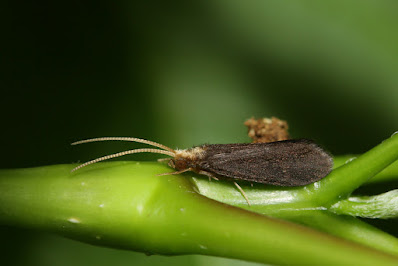
Caddisfly non-science nonsense

March 2022


The industry-friendly notion that the by-products of GM crops would somehow remain harmlessly in the fields was proved wrong in 2007 when a team of American biologists went out and did some science.

Escaped genes - a risk assessment minefield

March 2022


While conventional breeding speeds up the evolution of plants and skews it gradually to fit human needs, genetic engineering forces abrupt and disruptive changes in genome structure and function. The artificial gene (or edit) functions as it's designed to within the highly uniform genetic and environmental context of a modern commercial crop. How does it function in any other genome and ecosystem?

Risk assessment of GM plants has always focused on the intended artificial trait coupled to an assumption that if the altered bit of DNA 'escaped' into other plant populations it would fizzle out over time unless it conferred a clear, identifiable, risk-assessable fitness advantage. Now that we've grown GM crops in various environments for over two decades and there's been time for gene contamination incidents to inform the science, this trait-centred risk assessment is proving shaky.

GM animals on the menu

January 2022

As we enter 2022, what happened to the GM edible animals that we've been promised over the years?

Super-fast growing GM salmon have been trying to emerge from the lab since 1989 [1,2,3].

Having gained regulatory approval in America in 2015, GM salmon are now legal to produce and sell there despite being declared unlawful in 2020 due to the absence of any environmental risk assessment.

The big why of fake food

November 2021


If you've just been reading about the plan to save the world by feeding people very strange burgers grown in vats on even stranger buns so that all the land we've destroyed with agriculture can be left to re-wild [1], you may well be asking yourself some 'why' questions.

Why would we consider junking the entire historic basis of human provisioning?

Why, when we're already suffering unprecedented chronic disease from our novel, over-processed, corporate-led diet, would we head off down a path which takes all these aspects to new extremes?

Why, when millions go hungry due to poverty, bad cultural influences and bad politics, are we concentrating on technofixes to our food chain?

Why, when there are more farmers in the world than in any other single job, would we scrap farming?

Cancer burgers in bacterial buns

November 2021

We're in a mess.

Our climate's crumbling and our ecosystem's in collapse.

Human 'progress' has become a one-way street, in which we're leaving a trail of devastation behind us and facing ever-more bleak views ahead.

In fact, we appear to be digging our own grave, and don't seem to know how to stop.

Nasty GM surprises

March 2020


Farmers' knowledge about the cycles of nature, their land, their crops and livestock, their soil, and all the life that shares their estates seem to have been swept aside by reductionist 'solutions' sold to them by corporations with $-lined technological tunnel vision.

Simple, GM 'solutions' have a habit of leading to complex outcomes and nasty surprises.

The plight of the honeybee

January 2020


"New evidence is revealing we are teetering on the edge of an era of massive extinction, propelled in large part by the very pesticides and practices used with genetically engineered crops ... In a groundbreaking new study, researchers estimate that 40 percent of insect species face extinction - and we could be looking down the barrel of total insect population collapse by century's end, primarily as the result of the agricultural pesticides and mega-monocultures of industrial agriculture. Designed specifically for intensive chemical use, genetically engineered crops are key drivers of this impact" (Lappé) .

A huge proportion of our food supply is dependent on insects for pollination. In agricultural settings, one of the most abundant pollinators is the honey bee: in fact, one estimate reckons that one in every three bites of food we eat is from a crop pollinated by honeybees; and according to the United Nations Environment Programme, of the 100 crops that provide 90% of the world's food supply, 71 are pollinated by bees. Across America, commercial beekeepers are suffering astronomical hive losses averaging 40-50% annually, with some as high as 100%. This severely cripples their ability to meet pollination needs. At least one source of the disaster isn't difficult to find: honeybees are one of the non-target organisms impacted by the use of agrichemicals, and the impact is growing.

Impossible, incredible, awesome, beyond...

January 2020


'... common sense?

The 'Impossible' bleeding plant burger started out back in 2017 as textured wheat protein with fake soyabean 'blood' from GM yeast and some other stuff collectively described by its manufacturer, Impossible Foods, as "simple, all-natural ingredients" [1]. By 2019, Impossible Foods had realised their Impossible burgers weren't sufficiently beef-like and were unpopular with the gluten-intolerant sector of the population. The non-meat burgers were accordingly re-formulated with soya protein.

It seems, however, that sourcing sufficient quantities of affordable non-GM soya to suit its clean, green image and marketing aspirations proved impossible: Impossible Foods' answer was to switch to cheap and plentiful GM soya and hype its way out of the image problem [2].

The Brexit race to the bottom

January 2020


By the time this article pops up on the net, who knows what Brexit chaos might be unfolding. It is, however, worth being forewarned about what's been sneaked into place at the time of writing. As GM Watch points out, there's so much political upheaval in the UK and Europe, we risk "being so overwhelmed by the noise and sense of urgency that we miss what's really going on".

For example ...

Arm yourself with the facts

November 2019

Science used to mean 'knowledge', a knowledge based on systematic observation and careful experimentation to come to a conclusion as close to the truth as our limited ability allowed.

Now we have GMOs, living products of technology, and science has come to mean bullshit based on systematic assumption and careful avoidance of experiments which might throw up` inescapable, inconvienient conclusions.

GM mozzies out of control?

November 2019


GM 'sterile' male mosquitoes are designed to breed with natural, native females, but fail to generate viable offspring.  In theory, these GM insects are supposed to control the mosquito-borne spread of viruses, such as Dengue fever, by suppressing their vector.  

However, a study has been published showing a "significant" emergence of hybrid, GM-strain/native, mosquitoes in a Brazilian city after releases of Oxitec's 'sterile male' GM mosquitoes.   

RNAi doesn't just disappear

October 2019

After ten years of development, the US Environmental Protection Agency (EPA) quietly approved the first 'SmartStax Pro' GM maize with an RNA interference gene to kill a major corn pest, western corn root worm [1].

The artificial RNA produced by this technique, 'RNAi', is designed to match precisely the active RNA produced by a vital gene specific to the pest. By high-jacking the pest's own mechanism for silencing that gene, RNAi destroys the expression of the gene and the pest dies.

*Note. RNAi crop sprays are also in use, but are less effective at killing pests than the GM plant version which the pests consume.
A few months after the EPA ushered in this first GM maize with RNAi, a study was published which raised doubts about the claimed specificity of such insecticides. Using the honey bee as a model, the scientists "identified 101 insecticidal RNAs sharing high sequence similarity with genes in honey bees (indicating a huge scope for off-target gene silencing). "Of concern is that gene groups active during vital honey bee embryo formation and development had a disproportionately high sequence similiarity with all these RNAi pesticides: the scope for defective bees seems very real" [2].

The cost of not testing

September 2019

President Trump and his administration view environmental regulations as a hindrance to economic productivity.

One US Professor of paediatrics and expert in children's environmental health has pointed out however, that history suggests the opposite.  For example, the phasing out of toxic lead in petrol to protect children's brains, now adds "a $200 billion annual economic stimulus package" to the US.

The true cost of environmental toxins, measured in terms of loss of economic productivity due to cognitive damage, comes to a staggering $20,000 per IQ point over a lifetime.  Add to this the costs of health care and the societal burden (not to mention personal suffering to which a figure can't be attached).

Most insidious among all the environmental toxins are the endocrine disrupting chemicals (EDCs) which cause hormone dysfunction at very low levels of exposure.  Their damaging effects are often permanent and can harm future generations. 

The case for diversity

September 2019

The need for diversity in our food supply has been a hot topic lately [1, 2].

Green Revolution agriculture gave us monocultures of a tiny range of high-calorie crops.  The Gene Revolution of recent decades compounded this with GM versions of the same crops. Commercial GM plants are overwhelmingly designed to be used in conjunction with a single herbicide, and many generate a small range of very similar insecticides.

Paradoxically, the end-products of these staple crops have diversified.  The excuse for developing them may originally have been feeding the hungry, but large quantities of that 'food' are now diverted into biofuel-production, industrial chemicals and animal feed.

Those that do reach the human stomach are highly processed carbohydrates and chemicals (a.k.a. junk food, or food-like substances).  In the dietary desert we now inhabit, our animals' nutritional needs are better met than ours.

A tale of two villages in India

September 2019


Is it just a romantic, anti-science notion to ditch agrichemicals, GMOs, monocultures and patents?  Or, is it a necessity?

This is the story of how small-holders become trapped by addiction to pesticides, and how two villages in India got clean.

Climate change and GM go hand in hand

September 2019

Paul D. Thacker, a journalist with a nose for industry-led corruption of science and regulations, has commented that climate change denial and promotion of GMOs go together like peanut butter and jelly.

At first glance, it's not obvious why: it seems to involve a unique ability to entertain two opposing beliefs at the same time.  Climate change deniers say climate change isn't happening so we don't need to do anything.  GMO promoters say we need GM 'solutions' to feed the world and to save the environment because of climate change. 

However, when there's money involved, some people can believe anything.  Admitting that climate change is a damaging reality and rejecting GM foods are both harmful to big business